


Expiation for fasting for a diabetic patient
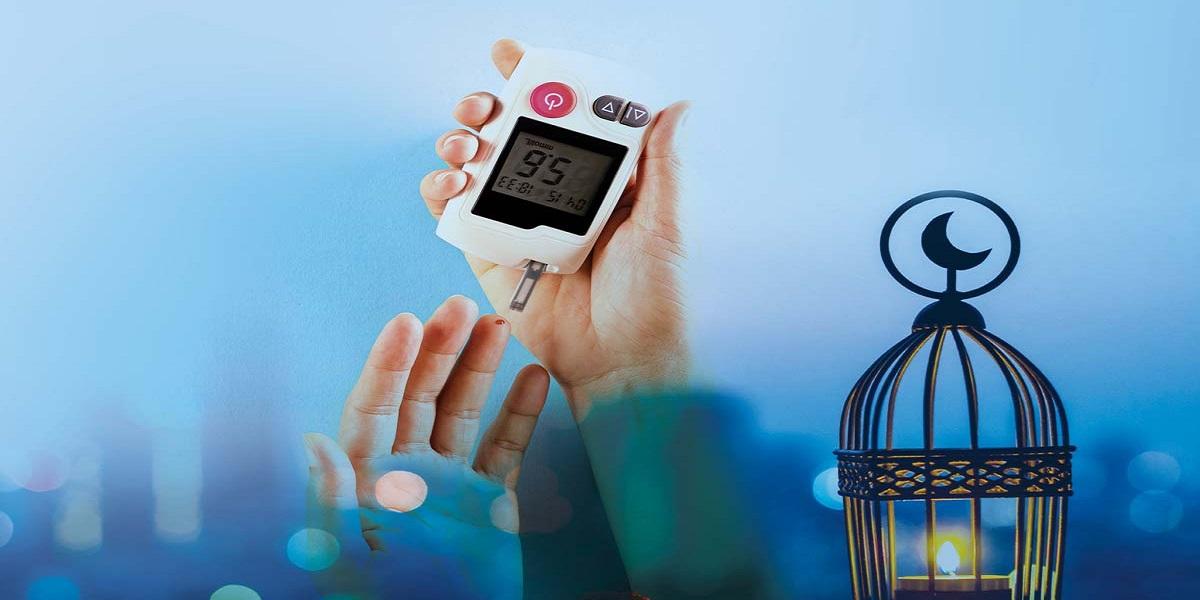

Allah Almighty made kaffara (expiation) a means to ease the affairs of Muslims, sparing them any hardship or difficulty. His vast mercy extends to diabetic patients who are permitted to break their fast during the holy month to avoid life-threatening risks, especially in cases of chronic illness with no hope of cure. Islam is a religion of ease, considering the circumstances of its followers.
Therefore, this article is dedicated to understanding the wisdom behind prescribing kaffara for fasting diabetic patients, the cases in which diabetics are allowed to break their fast, and the amount of kaffara required.
Table of Contents
What is Kaffara for Fasting Diabetic Patients?
Kaffara for a chronic diabetic patient with no hope of recovery is as follows:
- Feeding one poor person for each day of fasting missed.
- The fidya (compensation) is half a sa’ of local staple food, such as wheat, dates, or rice, estimated at 1.5 kilograms.
- The fidya can be paid in cash to a poor person if it serves their interest or at their request.
Wisdom Behind Kaffara for Diabetic Patients
The great wisdom behind prescribing kaffara for diabetic patients includes:
- Relieving hardship and difficulty for diabetic patients, as diabetes prevents them from fasting during Ramadan. Kaffara is thus a mercy from Allah and an ease for the patient.
- Protecting the patient from dangers and complications that may result from fasting, as blood sugar may drop or rise suddenly, which could endanger life.
- Providing a legitimate alternative to make up the fast, allowing diabetic patients to earn the same reward and blessings.
- Achieving social solidarity by replacing fasting with food for the needy, improving their conditions during Ramadan.
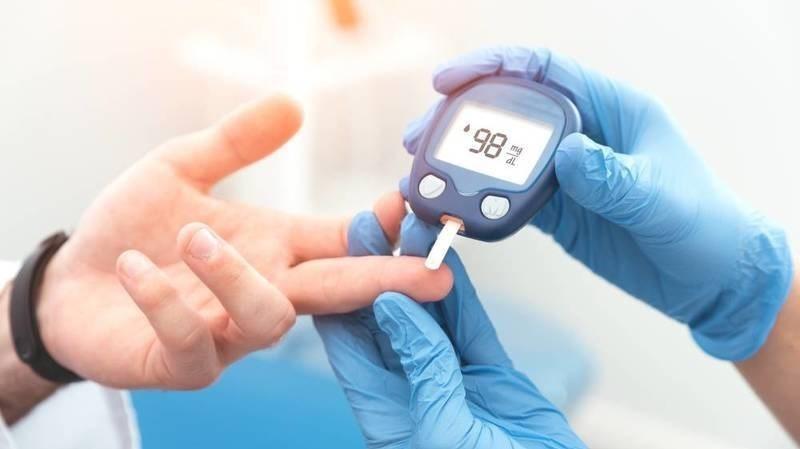
Cases in Which Diabetics Are Allowed to Break Their Fast
There are several cases in which diabetic patients are permitted to break their fast during Ramadan:
Type 1 Diabetes
Type 1 diabetes is considered a condition in which fasting is legally permissible to break due to its chronic nature, requiring treatment, and posing serious life-threatening complications.
A Type 1 diabetic must break the fast immediately if blood sugar levels change, to avoid risks such as kidney failure or heart complications. Patients should consult their doctor before Ramadan to adjust insulin doses to ensure safe fasting.
Type 1 diabetics should delay suhoor, rely on fluids at iftar, and continuously monitor their blood sugar levels.
Uncontrolled Type 2 Diabetes
Uncontrolled Type 2 diabetics may break the fast because unstable blood sugar levels pose significant risks of sudden highs or lows. Stopping medication may cause dangerous fluctuations, so consulting a doctor before fasting is essential to adjust medication doses and timing.
Type 2 diabetics should break the fast immediately if blood sugar drops below 70 mg/dL or rises above 300 mg/dL.
Diabetes with Serious Complications
Patients with diabetes accompanied by serious complications, such as kidney or heart diseases, or persistent hypotension, should avoid fasting to prevent complications like blood clots, dehydration, or ketoacidosis.
In cases of diabetic coma, coronary artery failure, heart failure, or diabetic nephropathy, fasting should be completely avoided. If the patient insists on fasting, they must consult a doctor and frequently monitor blood sugar while following a regulated diet and adjusting medication and insulin doses.
Cases Where Diabetic Patients Can Fast
There are several cases where diabetic patients can fast:
- Stable Type 2 diabetic patients who can control their blood sugar through medication, diet, or exercise.
- Stable Type 1 diabetic patients under medical supervision to ensure safe blood sugar levels during long fasting hours.
- Patients with balanced blood sugar levels, reducing risk compared to other types.
- Older adults who can monitor their blood sugar and take medication appropriately.
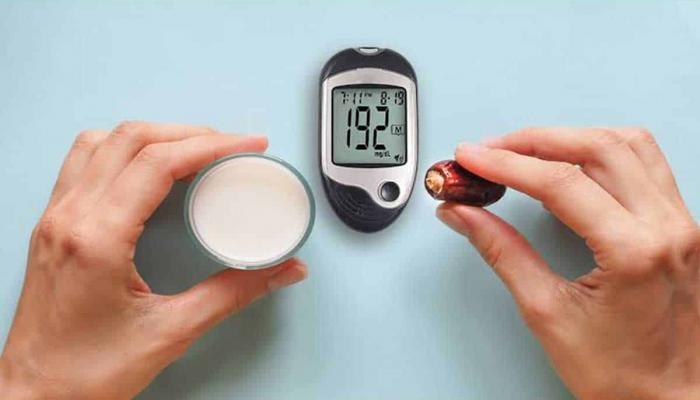
Amount of Kaffara for Diabetic Fasting
The amount of kaffara for diabetic patients is:
- Half a sa’ of staple food such as wheat, rice, or dates, approximately 1.5 kilograms.
- If paid in cash, it should cover the cost of a full day's meal, with amounts varying by country.
This kaffara amount applies to chronic cases with no hope of recovery. If the illness is temporary and curable, the patient must make up the missed fasting days later.
When Should a Diabetic Patient Pay Kaffara?
A diabetic patient should pay kaffara in the following cases:
- Chronic diabetes with no hope of recovery, as diagnosed by a doctor, where fasting could lead to serious and acute complications requiring immediate treatment or food to save life.
- It is recommended that all diabetic patients consult a doctor and fast under supervision to avoid health issues.
Frequently Asked Questions
How can a diabetic patient fast during Ramadan?
Diabetic patients should fast under medical supervision to adjust medication schedules according to their condition. Doctors provide balanced meal plans to safely endure fasting hours without complications.
What should a diabetic patient eat during Ramadan?
Diabetics should rely on a balanced diet rich in fiber. For iftar, include dates, soups, proteins such as chicken, meat, or fish, and cooked vegetables, avoiding juices. Suhoor should be delayed and focus on protein and fiber.
When should a diabetic patient not fast?
Diabetic patients should not fast if experiencing sudden low or high blood sugar multiple times a day, fatigue, heart or kidney problems, or fever.
Which foods are forbidden for diabetics?
Diabetic patients should avoid added sugars, refined carbohydrates, trans fats, fast food, fried foods, and bread.
When should a diabetic patient take insulin during Ramadan?
Diabetic patients take one normal dose at iftar, skip the lunch dose, and reduce the suhoor dose by 25–50%.