

Amount of Zakat al-Fitr

Muslims consider Zakat al-Fitr the most beautiful way to spread love and social solidarity. It is a mandatory charity and a reason for the acceptance of fasting in Ramadan, as it enriches the poor and helps meet their needs during Eid al-Fitr.
Is there anything more beautiful than decorating the holy month of Ramadan with charitable help for the needy and the poor? Therefore, given the importance and virtue of Zakat al-Fitr, we present this article to learn together the amount of Zakat al-Fitr, the difference between Zakat al-Fitr and Zakat on wealth, and how to pay this Zakat through the reliable Al-Wafaa Humanitarian Association.
Table of Contents
Amount of Zakat al-Fitr
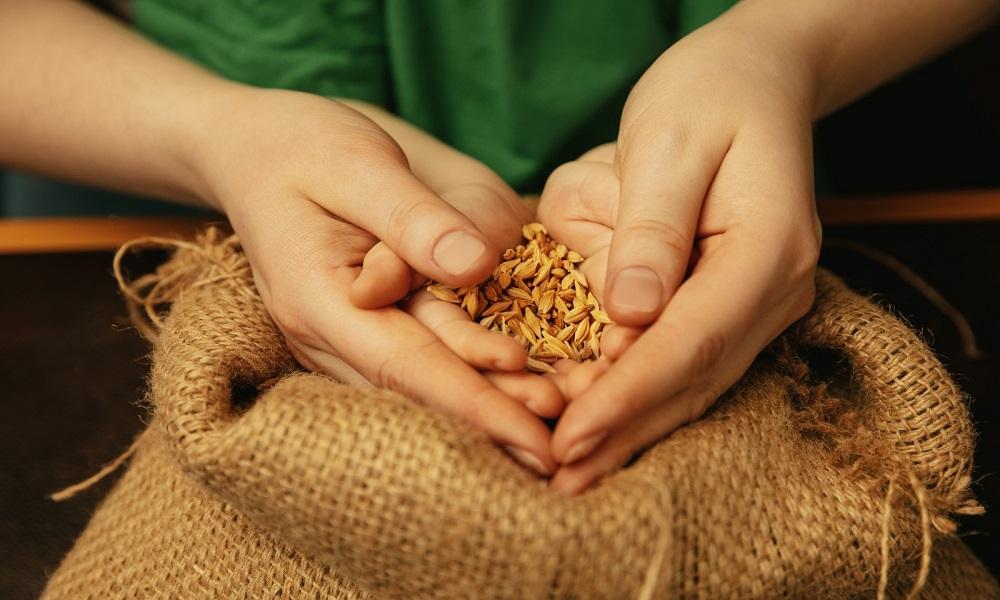
The amount of Zakat al-Fitr is one Sa’ of the local staple food such as wheat, rice, dates, or raisins, approximately 2.5 to 3 kg. The evidence is from Ibn Umar (may Allah be pleased with them), who said: "The Messenger of Allah (peace be upon him) obligated Zakat al-Fitr from Ramadan, one Sa’ of dates or one Sa’ of barley."
Rules of Zakat al-Fitr
Zakat al-Fitr is obligatory for every Muslim regardless of gender, age, or status, provided they have more than what is needed for their daily sustenance. Muslims can give it for themselves or their family members and children.
Time to Give Zakat al-Fitr
It is recommended to give Zakat al-Fitr after sunset on the last day of Ramadan or before the Eid prayer. It is also permissible to give it a day or two before Eid. Delaying Zakat al-Fitr is not allowed unless there is a legitimate excuse, in which case it is accepted.

Difference Between Zakat al-Fitr and Zakat on Wealth
You can learn the difference between Zakat al-Fitr and Zakat on wealth through the following table:
| Comparison Aspect | Zakat al-Fitr | Zakat on Wealth |
| Reason for Obligation | Obligatory on bodies through fasting the holy month | Obligatory on wealth for those who reach the Nisab |
| Obligated Persons | Obligatory on every Muslim, male or female, young or old, who has daily sustenance | Obligatory on a sane, adult Muslim who owns Nisab |
| Time of Giving | Given before Eid prayer; delaying is not allowed | Given when one lunar year passes on owning the Nisab |
| Amount | One Sa’ of food (2.5 to 3 kg of local staple) | One-fourth of total wealth value |
| Recipients | The poor and needy only | The eight categories: poor, needy, administrators, those whose hearts are to be reconciled, slaves, debtors, in the way of Allah, and travelers |
Is Zakat al-Fitr Obligatory or Sunnah?
Zakat al-Fitr is not Sunnah; it is Fard (obligatory) on every Muslim regardless of age or gender, provided they have enough for their daily needs and more for their family during Eid.
Who Receives Zakat al-Fitr?
- Zakat al-Fitr is primarily given to the poor and needy Muslims to help meet their needs on Eid and prevent them from begging.
- It is permissible to give Zakat al-Fitr to poor relatives and neighbors, but not to those whose expenses are the responsibility of the giver, such as spouses, children, and parents.
- If no poor or needy people are available, it can go to the eight categories mentioned in the Qur’an, but it is preferable to prioritize the poor and needy.
- It is not permissible to give Zakat al-Fitr to the rich or non-Muslims.
Amount of Zakat al-Fitr in USD
The amount of Zakat al-Fitr in USD ranges from $1.5 to $12 per person, varying by country. The average minimum is $4.5 to $8. Examples in Arab countries:
- Syria: ~$1.5
- Egypt: $3
- Jordan: $4
- Saudi Arabia & UAE: $6–$7

Calculating Zakat al-Fitr Per Person
- Assign one Sa’ of local staple per person. For example, if rice is the staple, each person’s share is 2.5 kg.
- Cash Zakat varies by country depending on the price of one Sa’.
- For a family, multiply the individual amount by the number of family members.
How to Pay Zakat al-Fitr
You can pay Zakat al-Fitr to the poor and needy through humanitarian organizations such as the reliable Al-Wafaa Association, which ensures delivery to the rightful recipients. Simply give your Zakat, and the association handles the rest.
This Zakat helps improve the conditions of the poor, replacing hardship with joy. Trust such organizations to make a real difference.
Frequently Asked Questions
What is the amount of Zakat al-Fitr?
It is one Sa’ of local staple food, such as wheat, rice, dates, or raisins, approximately 2.5 to 3 kg per person.
How much is Zakat al-Fitr per person?
One Sa’, i.e., 2.5 to 3 kg of the local staple food per person.
Can Zakat al-Fitr be given in cash?
Most scholars say it must be in staple food, while Hanafi and some others permit cash if it benefits the poor.
Can Zakat al-Fitr be given in the last ten days of Ramadan?
Yes, it is permissible, especially one or two days before Eid.
Time for Zakat al-Fitr?
From sunset on the last day of Ramadan, preferably from dawn on Eid day until before the Eid prayer.
Conditions of Zakat al-Fitr?
The donor must be Muslim and have enough wealth beyond daily needs. It must be given at the correct time and to eligible recipients, not dependents.
What is the ruling for neglecting Zakat al-Fitr?
Neglecting Zakat al-Fitr is a major sin. It must be paid immediately as a debt owed.
Ruling of Zakat al-Fitr?
It is obligatory on every Muslim, young or old, male or female.
Ruling according to the Four Schools of Thought?
- Maliki, Hanbali, Shafi'i: obligatory, must be given in food only.
- Hanafi: obligatory, permissible to give in cash if it benefits the poor.
Which school allows cash Zakat al-Fitr?
The Hanafi school permits cash to enrich the poor and save them from asking for help on Eid.