

Providing aid to displaced persons and those in need during Ramadan: various methods and approaches


Table of Contents
Muslims eagerly await the arrival of the holy month every year to perform acts of worship with joy and devotion. However, there are those who face great hardships and harsh living conditions during this blessed month—namely, the displaced and refugees. They endure numerous challenges due to the lack of basic necessities for fasting and iftar, as well as the overall scarcity of life resources. Therefore, supporting them both psychologically and financially becomes an essential humanitarian duty.
Through this article, we present the most important ways to support displaced people during the holy month and highlight the efforts and procedures carried out by charitable organizations to ease their burdens.
Providing Iftar Meals for the Displaced and Refugees
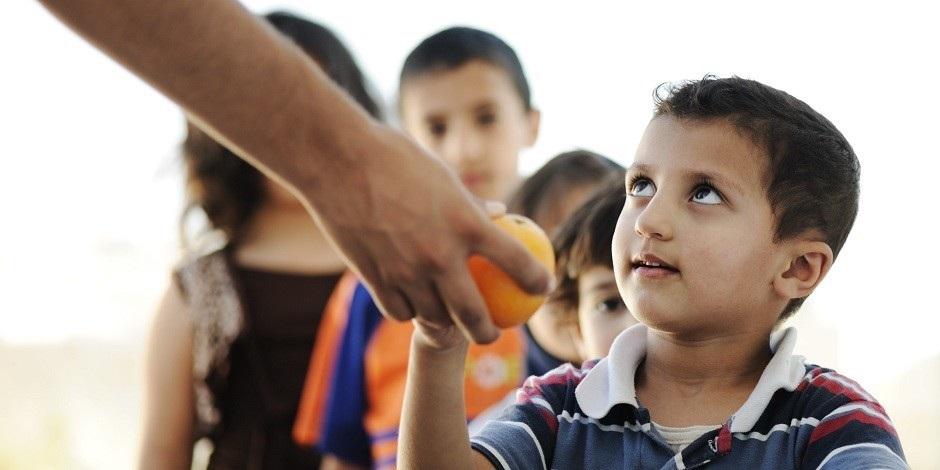
During the blessed month of Ramadan, many people contribute to providing iftar meals for displaced individuals and refugees who are unable to secure their daily food and drink needs. This can be done through the following methods:
Relying on active and trusted charitable organizations such as Al-Wafa Humanitarian Association, which ensures that meals reach those in need.
Providing financial support to mobile projects that prepare meals in impoverished areas.
Individual initiatives to prepare healthy and complete meals for the poor and needy and distribute them in remote areas or mosques.
The Importance of Distributing Iftar Meals to the Displaced and Refugees
Distributing iftar meals to displaced people and refugees is a humanitarian act of great significance, as it:
Earns great reward and blessings from Allah Almighty.
Helps improve the living conditions of the poor and needy by alleviating their suffering.
Provides nutritious and healthy meals.
Strengthens bonds of love and cooperation between donors and displaced individuals.
Reduces psychological stress and instills a sense of security.
Promotes social solidarity and strengthens community ties.
Distributing Zakat and Charity
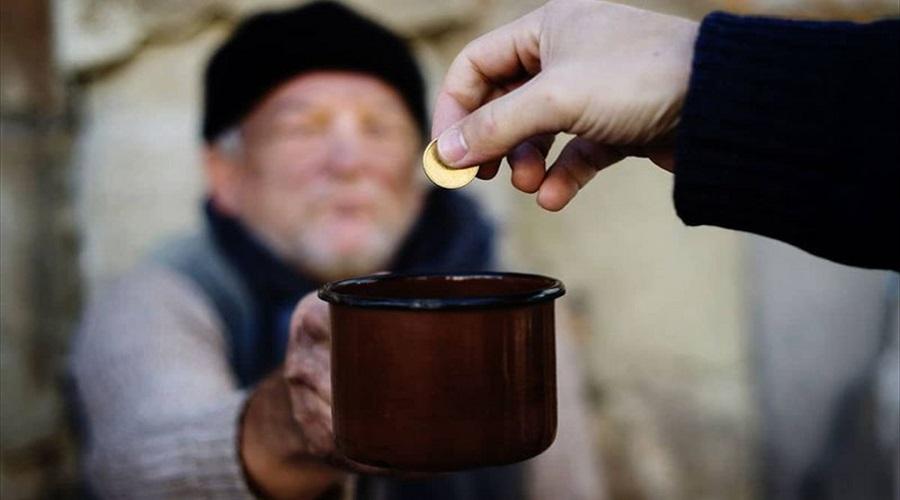
Distributing zakat and charity to displaced people during Ramadan is a noble humanitarian act with immense reward. These vulnerable groups are often unable to afford basic food and drink due to their poor economic conditions, making it essential to direct zakat and charity funds to those who truly deserve them.
How to Distribute Zakat and Charity
Zakat and charity can be distributed to displaced individuals during Ramadan by following these steps:
Identifying the most deserving categories, including the poor and needy.
Choosing a trusted organization to deliver zakat and charity, such as Al-Wafa Association, which has experienced and professional staff.
Delivering the zakat and charity funds to the organization for fair distribution.
Providing Job Opportunities
Providing suitable job opportunities for displaced youth is one of the most effective ways to improve the living conditions of families who lost their homes and livelihoods due to war. This can be achieved through the following mechanisms:
Developing skills through training courses in high-demand fields.
Focusing on digital skills and online work platforms.
Establishing projects managed by displaced individuals with financial support.
Providing financial and moral support for individual initiatives.
Cooperating with the private sector to secure employment opportunities.
Providing legal support to obtain work permits.
The Role of the Displaced in Securing Employment
Displaced individuals can improve their chances of finding work by:
Actively developing skills and enrolling in training programs.
Using the internet to search for freelance job opportunities.
Assessing job requirements and evaluating qualifications.
Providing Healthcare
Providing healthcare for refugees and displaced people is one of the most critical forms of support during Ramadan, especially since these groups have endured harsh conditions that significantly affected their physical and mental health.
Key considerations when providing healthcare include:
Medical services through mobile clinics that treat common and seasonal illnesses.
Maternal and child healthcare services.
Psychological and social support to help heal trauma caused by war.
Providing vaccinations to prevent infectious diseases.
Health awareness programs emphasizing hygiene.
Ensuring access to clean drinking water and sanitation facilities.
Important Measures to Provide Healthcare for the Displaced
The best measures to ensure proper healthcare include:
Establishing medical centers and mobile clinics in camps.
Ensuring rapid emergency response through trained medical teams.
Cooperation between health ministries and humanitarian organizations.
Efficient use of available resources and organized camp planning.
Donating Clothes and Essential Supplies
Those wishing to provide humanitarian aid can donate clothing and essential items to protect displaced people from harsh weather conditions and improve their quality of life, earning great reward from Allah.
This can be done through trusted humanitarian organizations such as Al-Wafa Association. Items that can be donated include:
Clean winter clothing for children and adults.
Blankets.
Fuel or heaters.
Winter shoes.
Rainproof materials.
Emergency lamps.
How to Donate Clothes and Supplies
You can donate clothes and supplies by:
Contacting a trusted charity online.
Delivering donations directly to the organization.
Providing Shelter
Due to ongoing conflicts, many people have lost their homes and basic living conditions. Humanitarian organizations play a crucial role by providing housing projects that improve living standards, such as:
Providing tents and shelters.
Establishing residential villages and camps.
Providing heating materials.
Supplying mobile homes to protect from cold weather.
Operating shelter centers.
Providing Psychological Support
Years of war have caused severe psychological trauma among displaced people and refugees, making psychological support essential through:
Providing a safe environment.
Listening and allowing emotional expression.
Organizing recreational activities to reduce isolation.
Offering group or individual therapy sessions.
Psychological awareness campaigns and coping training.
Special programs for women and children.
The Importance of Psychological Support
Reducing psychological stress.
Reviving hope among displaced individuals.
Helping rebuild lives.
Frequently Asked Questions
How can charities and international humanitarian organizations support displaced people during Ramadan?
They can provide food, shelter, healthcare, clothing, and essential aid.
What challenges may face aid distribution during Ramadan, and how can they be overcome?
Challenges include access difficulties, poor distribution, and limited resources. These can be addressed through organized distribution, transparency, job creation, and effective use of technology.
What types of aid do displaced people need during Ramadan?
They need food, water, medicine, heating supplies, financial support, clothing, and footwear.
Is it better to distribute Ramadan food baskets or shopping vouchers?
This depends on the needs of displaced families. Vouchers offer flexibility, while food baskets provide essential staples.
Does the relief food basket cover a family for a full month?
In most cases, the food basket is designed to support a family of five for an entire month, depending on consumption and family size.