


Zakat on agriculture

Zakat is considered a door of mercy that strengthens social solidarity, as it is a financial obligation prescribed by Allah Almighty on Muslims to support the poor and needy, aiming to improve their conditions and provide them with a dignified life. Zakat on crops and fruits is one of the most beautiful forms of zakat, purifying wealth and the soul, and bringing the servant closer to their Lord, increasing sustenance and blessings.
Therefore, we present our article today to follow together the conditions for the obligation of zakat on crops, the types of crops and fruits that are subject to zakat, and how Al-Wafaa Association managed to distribute your donations to the rightful recipients as the most trusted and worthy choice.
Table of Contents
Conditions for the Obligation of Zakat on Crops
There are a set of conditions that must be met for zakat on crops to be obligatory:
- The crops must be cultivated by a person and not grow naturally without effort.
- The crops must be of types that can be stored, such as legumes, dates, raisins, and wheat, so they do not spoil during storage.
- The crops and fruits must reach the nisab and one full Hijri year must pass, and in some cases, zakat is due at harvest depending on the type of crop.
- The crops intended for zakat must be capable of growth and increase, like cultivated crops.
Conditions for Zakat Obligation on the Payer
- The payer must be a Muslim, not a non-believer.
- The payer must be sane, mature, and accountable.
- The payer must own the crops and fruits and have freedom to dispose of them.
Zakat on Crops and Fruits for the Farmer or Landowner
Zakat on crops and fruits is obligatory on the farmer from the net yield if the land is rented to him upon reaching the nisab, estimated at 653 kg at harvest.
The zakat amount for the tenant farmer is 10% if the land is irrigated without cost, and 5% if irrigation involves machinery, pumps, or wells. For the landowner, zakat is not due on the yield but on the rent if it reaches the nisab and a full year passes.
Types of Crops and Fruits Subject to Zakat
The following are types of crops and fruits subject to zakat if they reach the nisab of 612 kg and a full year has passed:
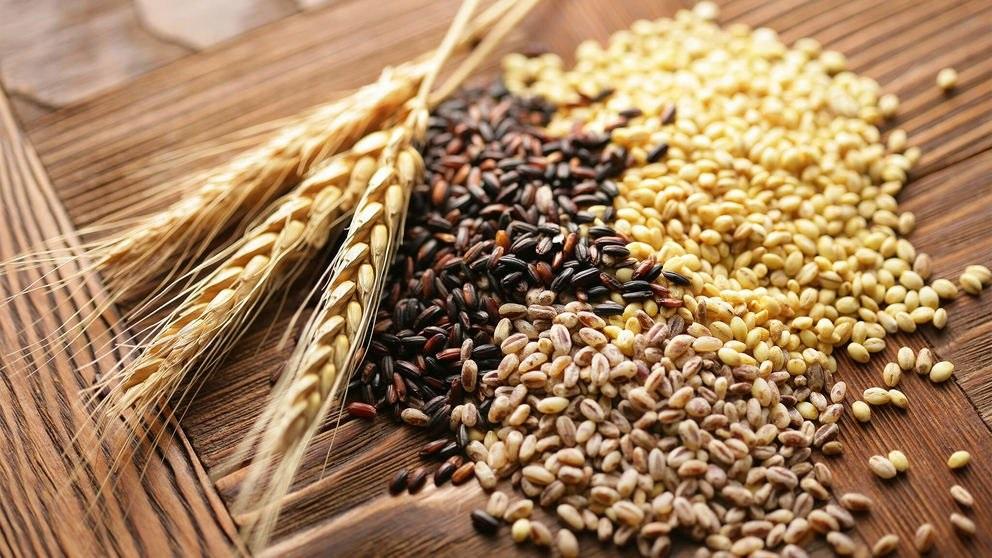
- Storable grains such as wheat, rice, corn, barley, and legumes including beans, chickpeas, and lentils.
- Fruits that can be stored, such as raisins and dates.
- Dried fruits that can be stored like pistachios, almonds, olives, black seeds, and others.
Nisab of Zakat on Crops and Fruits
The nisab of zakat on crops and fruits is 5 Awsuq, with one Wasq approximately equal to sixty Sa’ (a Sa’ is four medium-sized handfuls). Therefore, 5 Awsuq equals 300 Sa’, i.e., 612–653 kg of grains.
The time of payment is either at harvest or when the fruits intended for storage are dry, as stated in the Quran: {Give its due on the day of harvest}.
The zakat weight should be estimated when dry, not green.
Amount Obligatory for Zakat on Crops
The amount of zakat varies depending on the farmer’s effort and costs to bring the crop to harvest:
- For natural irrigation using rain, rivers, or canals: 10% of the total yield.
- For artificial irrigation using machinery: 5% of the total yield.
- For mixed irrigation (natural + artificial): 7.5% of the total yield.

Zakat on Rikaaz (Buried Treasure)
Rikaaz refers to anything buried in the ground from ancient times, like treasures, gold, silver, or other items. Zakat on rikaaz is 20% of the found item, as per the Prophet’s saying: "And on Rikaaz, one-fifth."
Zakat on rikaaz does not require a full year to pass and does not have a nisab according to Hanafi and Maliki schools.
Donate Your Zakat and Al-Wafaa Association Will Deliver It to the Eligible
If you wish to earn great reward by giving zakat to its rightful recipients, you can donate through Al-Wafaa Charitable Association, the ideal choice for distributing zakat to the poor, needy, and all categories mentioned by Allah.
All you need to do is deliver the zakat to Al-Wafaa's headquarters or donate online through their website. The association will manage the process fully, ensuring zakat reaches the maximum number of eligible recipients with an expert and active team.
Frequently Asked Questions
What are the conditions for zakat on crops and fruits?
The conditions include reaching the nisab of 653 kg, being cultivated by humans, suitable for storage, and consisting of a single type of crop.
What is the nisab of zakat on crops and fruits in kilograms?
The nisab is 653 kg of grains or dried fruits, equivalent to 300 Sa’ or 5 Awsuq.
How is zakat on fruits calculated?
Calculate zakat by weighing each crop separately without mixing with previous year’s yield. The rate depends on irrigation: 10% for natural irrigation, 5% for artificial, or equivalent cash value.
Is it permissible to pay zakat on crops in cash?
Yes, zakat can be paid in cash if it serves the interest of the poor instead of giving the actual crops or grains.