

Tips for what you can do during the day in Ramadan


Table of Contents
Ramadan المبارك comes every year carrying with it the highest meanings of mercy, goodness, and worship. In this blessed month, Muslims hasten to draw closer to the Almighty Creator through fasting, prayer, and supplication, asking Allah to forgive their sins and illuminate their lives with provision and blessings.
Therefore, Muslims should seize the opportunity of the blessed month by performing righteous deeds that elevate their status before Allah, especially helping the poor and needy who lack their daily sustenance. Thus, Ramadan becomes a season of generosity and goodness for many, thanks to those with giving hands who will attain great reward and recompense.
Supplication During the Month of Ramadan
Ramadan is the month in which Allah responds to the supplications of His servants, as it is a blessed month in which the gates of heaven are opened. Muslims increase their supplications, seeking forgiveness, pardon, provision, and well-being from Allah. Supplication is an act of worship that brings the believer closer to their Lord, and it is recommended to choose virtuous times such as suhoor, after Fajr prayer, and on Laylat al-Qadr.
Answered Supplications in Ramadan
Among the supplications commonly recited during the blessed month of Ramadan are:
A supplication seeking pardon: “O Allah, You are Most Forgiving and love forgiveness, so forgive me.”
A supplication for health: “O Allah, I ask You for a wholesome life, a righteous death, and a return that brings neither disgrace nor shame.”
Another accepted supplication: “O Allah, I ask You for all goodness, immediate and delayed, what I know of it and what I do not know, and I seek refuge in You from all evil, immediate and delayed, what I know of it and what I do not know.”
The supplication at iftar: “The thirst is quenched, the veins are moistened, and the reward is confirmed, Allah willing.”
A supplication seeking contentment and happiness: “O Allah, grant me a sound heart and a truthful tongue, and protect me from all evil.”
Teaching the Quran to Children During Ramadan
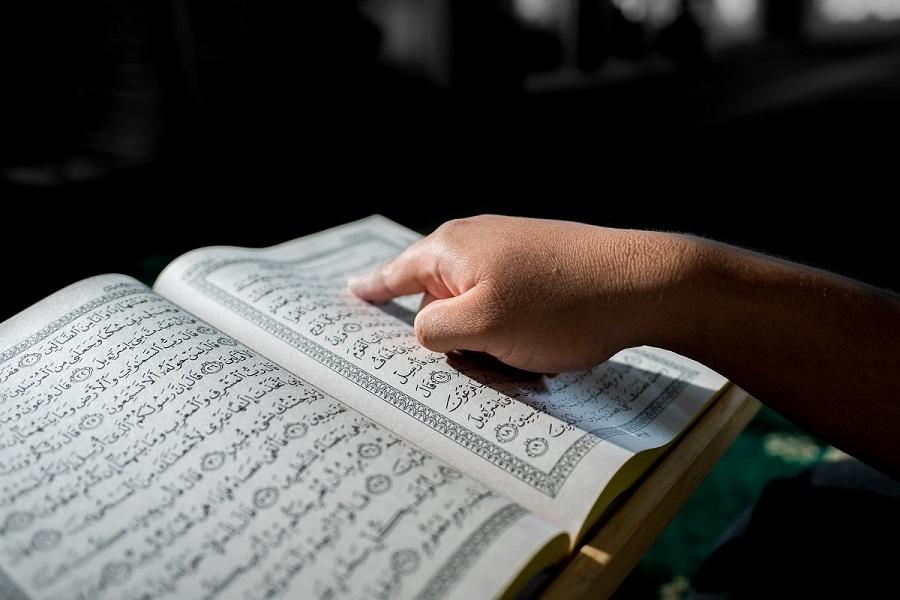
The blessed month of Ramadan, in which the Holy Quran was revealed, is one of the best times to teach children recitation. Children should be taught to understand the values and meanings of Quranic verses through simple and engaging methods, relying on storytelling to convey the importance of reading the Quran.
Best Methods for Teaching the Quran to Children
Below are some of the best methods for teaching the Holy Quran to children during this blessed month:
Reciting the Quran in front of children repeatedly, then encouraging the child to recite while correcting mistakes.
Assisting children through electronic applications that include correct recitation videos to encourage learning.
Using Quranic stories in a simple and enjoyable way to instill good values.
Using gifts and rewards as an effective method to motivate children.
Organizing friendly competitions among children to encourage memorization and understanding.
Teaching children to recite memorized verses during prayer, reinforcing retention and boosting confidence.
There are also important tips to ensure effective and lasting Quran learning for children:
Choosing suitable learning times when the child is energetic and focused.
Avoiding distractions and seeking help from qualified teachers with sufficient experience.
Charity During the Month of Ramadan
Charity during Ramadan is one of the most beautiful doors of goodness that brings the servant closer to Allah, as it is a means of attaining forgiveness and expiating sins. Charity takes many forms, including:
General charity such as donating food, money, medicine, or clothing.
Ongoing charity whose reward continues, such as digging wells.
Feeding fasting people during Ramadan.
Charity of knowledge.
Virtues of Charity in Ramadan
Blessing and increase in sustenance.
Multiplied reward and recompense.
Opening the gates of Paradise and protection from Hellfire.
Purification of wealth and soul from sins.
Best Time to Give Charity in Ramadan
The best time to give charity during Ramadan is the last ten nights, especially Laylat al-Qadr. Charity given in the form of feeding fasting people, financial donations, or clothing orphans and the needy carries immense and multiplied reward.
Zakat During the Month of Ramadan
Zakat in Ramadan is an obligatory act imposed on Muslims for eligible recipients, aiming to improve the conditions of the poor and spare them from asking. Giving zakat during Ramadan carries great reward and merit with Allah.
Types of Zakat in Ramadan
Zakat al-Fitr: An obligatory zakat upon every capable Muslim, male or female, young or old.
Time of payment: Preferably during mid-Ramadan or before Eid prayer.
Amount: One Saa’ of staple food, approximately 2.04 kg.
Zakat on wealth: Obligatory on Muslims whose wealth reaches the nisab and completes one lunar year.
Time of payment: During Ramadan or earlier if needed.
Amount: 2.5% of wealth that reaches the nisab.
Virtues of Zakat in Ramadan
Multiplied reward and recompense.
Attaining Allah’s forgiveness and wiping away sins.
Purification and blessing of wealth.
Purifying the soul from miserliness.
Bringing joy to the hearts of the needy.
Combining the reward of fasting and zakat.
Distributing Water and Dates on Busy Roads During Ramadan
Many young people distribute water and dates on crowded roads before Maghrib in Ramadan as a voluntary charitable act reflecting love and compassion. This initiative is common in many Arab countries, providing dates and water to pedestrians who have not yet reached home for iftar.
Importance of Distributing Water and Dates in Ramadan
Preventing severe hunger for those whose iftar is delayed.
Providing immediate assistance to fasting individuals.
Strengthening social bonds and community harmony.
Earning great reward and recompense.
Iftar Meals for Fasting People in Ramadan
Iftar meal initiatives have brought deep meaning to many needy individuals, as they offer hope and reassurance to those who cannot afford a meal. Providing a complete iftar meal to a hungry person is among the most beautiful acts of generosity.
Many well-off individuals rush to offer meals that reflect Islamic values of solidarity and compassion, earning immense reward and opening the gates of Paradise.
Virtues of Feeding a Fasting Person
Increased reward.
Increased blessing and provision.
Protection from Hellfire and entry into Paradise.
Forgiveness of sins.
Achieving social solidarity.

Donating to Charitable Organizations During Ramadan
Donors can contribute to charitable organizations during Ramadan, which ensure donations reach eligible recipients. Al-Wafaa Humanitarian Association relies on an experienced and active team to deliver aid promptly to those in need.
Available Donation Methods
Online financial donations.
Phone donations via designated numbers.
24/7 electronic donation platforms.
Bank transfers.
In-kind donations such as food, clothing, and medicine.
It is also possible to sponsor collective iftar meals in coordination with charitable organizations.
Frequently Asked Questions
What should we do in Ramadan?
Muslims should increase good deeds, charitable acts, prayers, fasting, supplication, and Quran recitation while avoiding sins.
What should I do on the first day of Ramadan?
It is recommended to focus on worship such as fasting, prayer, supplication, remembrance of Allah, and Quran recitation, along with maintaining cleanliness and purification.
How do you spend a day of Ramadan in obedience to Allah?
By waking early for suhoor, praying, reciting and reflecting on the Quran, giving charity, remembering Allah, and spending nights in prayer and closeness to Allah.