

Aqiqah and its rulings
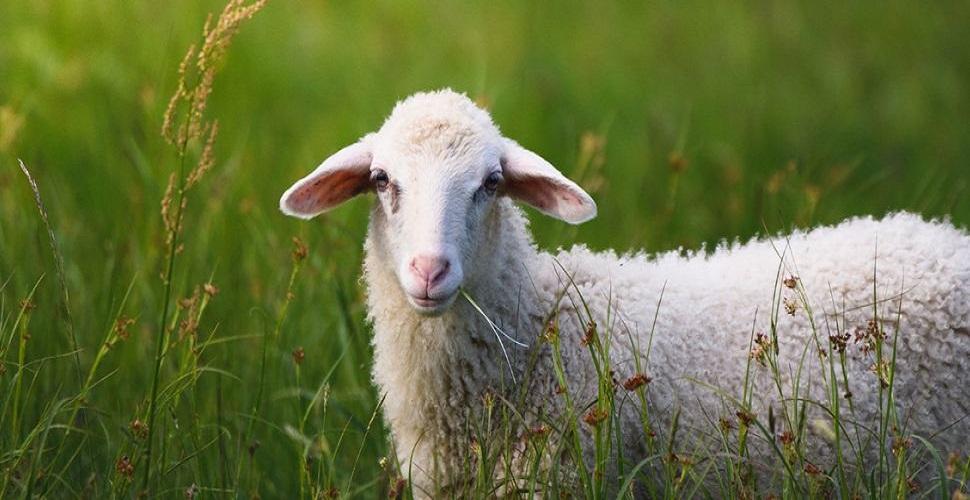

The aqiqah in Islam is considered one of the ways to draw closer to Allah, as it is a financial act of worship that revives the Sunnah of the Prophet. It is a profound expression of gratitude to Allah Almighty for the blessing of children. Aqiqah is also a means of protecting and blessing the newborn by the will of the Creator. What could be more beautiful than this gratitude inspired by following Prophet Ibrahim (Abraham), peace be upon him, who ransomed his son Ismail?
Therefore, we have dedicated this article to learn together about the ruling on aqiqah and its conditions, the difference between aqiqah and udhiyah (sacrifice), and how to donate your aqiqah to the people of القدس through Al-Wafaa Humanitarian Association.
Table of Contents
What Is Aqiqah?
Aqiqah is the animal sacrifice offered upon the birth of a child, whether male or female. It is usually performed on the seventh day after birth. The sacrifice should be from livestock such as sheep, cattle, or camels. One sheep is sacrificed for a female child and two sheep for a male child. It is also permissible, according to some scholars, to sacrifice one sheep for a male child.
Ruling on Aqiqah
Aqiqah is a confirmed Sunnah that carries great reward with Allah, but there is no sin upon the one who does not perform it. The Prophet Muhammad (peace be upon him) said: “With the boy there is an aqiqah, so shed blood for him and remove harm from him.” It is considered a ransom for the newborn and gratitude to Allah for the blessing of children, and a means of increasing blessings and sustenance from the Almighty Creator.
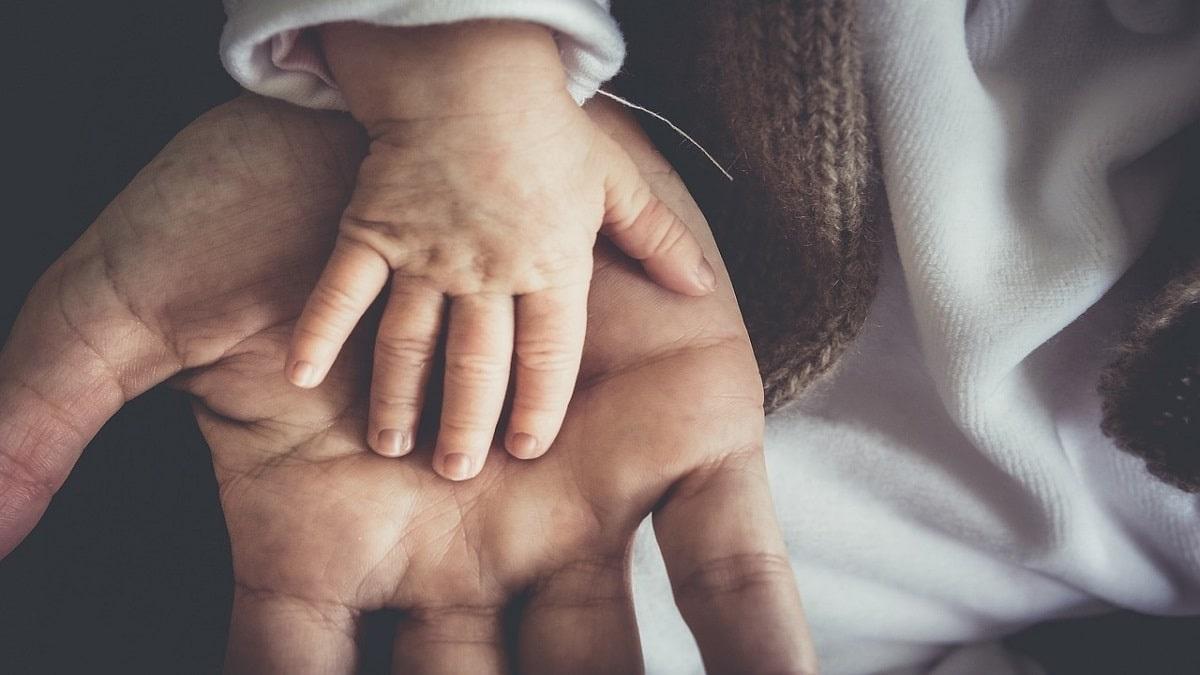
Difference Between Udhiyah and Aqiqah
You can learn the difference between udhiyah and aqiqah through the following table:
| Aspect of Difference | Aqiqah | Udhiyah |
| Reason | Gratitude to Allah Almighty for the blessing of children | A ritual that strengthens and deepens the relationship with Allah and serves as gratitude for life |
| Timing | Seven days after birth, or fourteen, or twenty-one days | On Eid al-Adha after the Eid prayer until sunset of the last day of Tashreeq |
| Amount and Distribution | Two sheep for a male and one sheep for a female; it is Sunnah to cook it and invite people to eat | One sheep per person or a share in a cow; distributed to the poor, relatives, and household |
| Slaughtering Etiquette | There is no recommendation to refrain from cutting hair or nails | It is recommended not to cut hair or nails after the beginning of Dhul-Hijjah until sacrifice |
| Combining Both | It is permissible to combine aqiqah with udhiyah if aqiqah coincides with Eid days | It is permissible to combine aqiqah with udhiyah if aqiqah coincides with Eid days |
The Wisdom Behind Aqiqah
The wisdom behind aqiqah in Islam includes:
- Following the Prophet and reviving his Sunnah, and emulating Prophet Ibrahim (peace be upon him) when he ransomed his son.
- Gratitude to Allah Almighty for the blessing of children and expressing joy for this beautiful provision.
- Aqiqah serves as a release from the pledge of the newborn, as the Prophet said: “Every child is held in pledge by his aqiqah.”
- A means of protection for the newborn from harm, by Allah’s permission.
- Spreading love and mercy, strengthening social solidarity, and feeding relatives, neighbors, and the needy.
- According to some scholars, it is a cause for the child’s intercession for their parents.
Conditions of Aqiqah
Aqiqah has several conditions that must be fulfilled:
- The sacrifice must be from livestock such as cattle, sheep, goats, or camels.
- The animal must be free from defects such as illness, blindness, broken limbs, or extreme weakness.
- The required age is as follows:
- Goat: one full year.
- Sheep: six full months.
- Camels: five full years.
- Cattle: two full years.
- The intention must be made on behalf of the newborn.
- The proper number must be observed: one sheep for a female and two for a male.
- The slaughter should take place on the seventh, fourteenth, or twenty-first day.
Time of Slaughtering Aqiqah
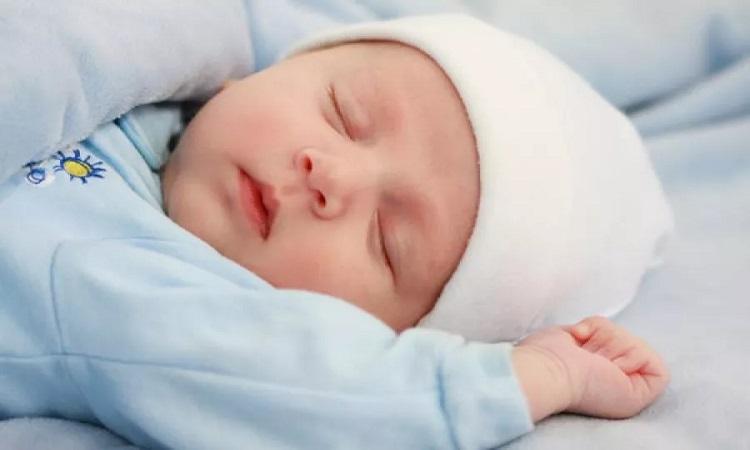
The best time to slaughter aqiqah is on the seventh day after the child’s birth, based on the Prophet’s saying: “The aqiqah is slaughtered on the seventh, or the fourteenth, or the twenty-first.”
If it is delayed beyond these days, it is permissible to slaughter it at any later time, even years afterward.
Donate Your Aqiqah to Jerusalem
You can donate your aqiqah to the needy people of Jerusalem who have endured difficult circumstances through the trusted Al-Wafaa Association, which has successfully delivered donations to the most vulnerable families in Jerusalem through its experienced and dedicated team.
Ways to Donate Your Aqiqah to Jerusalem
You can donate your aqiqah to Jerusalem either by performing it directly and distributing the meat to those in need, or by entrusting Al-Wafaa Association to carry out the sacrifice and distribution on your behalf, or through relief programs that manage the entire process.
Through these methods, the donor receives the reward and blessing for distributing it to the most affected and vulnerable groups in Jerusalem.
Frequently Asked Questions
Is Aqiqah Obligatory?
No, aqiqah is not obligatory; it is a confirmed Sunnah and an act of gratitude to Allah for the blessing of a newborn.
Is It Permissible to Slaughter Aqiqah After Several Years?
Yes, it is permissible in Islamic law to slaughter aqiqah years after the child’s birth whenever it becomes possible, though it is preferable to perform it on the seventh day.
Is It Permissible to Combine Aqiqah and Udhiyah?
Yes, it is permissible according to the Hanbali and Hanafi schools, provided that neither of them was vowed. However, it is better to perform each separately if financially able.
Is It Permissible to Give Aqiqah as Charity?
Yes, it is permissible to give aqiqah as charity, and it is among the best ways to distribute it. It is recommended to give it wholly or partially to the poor and needy, whether the meat is distributed raw or cooked.