

Charity on behalf of the deceased
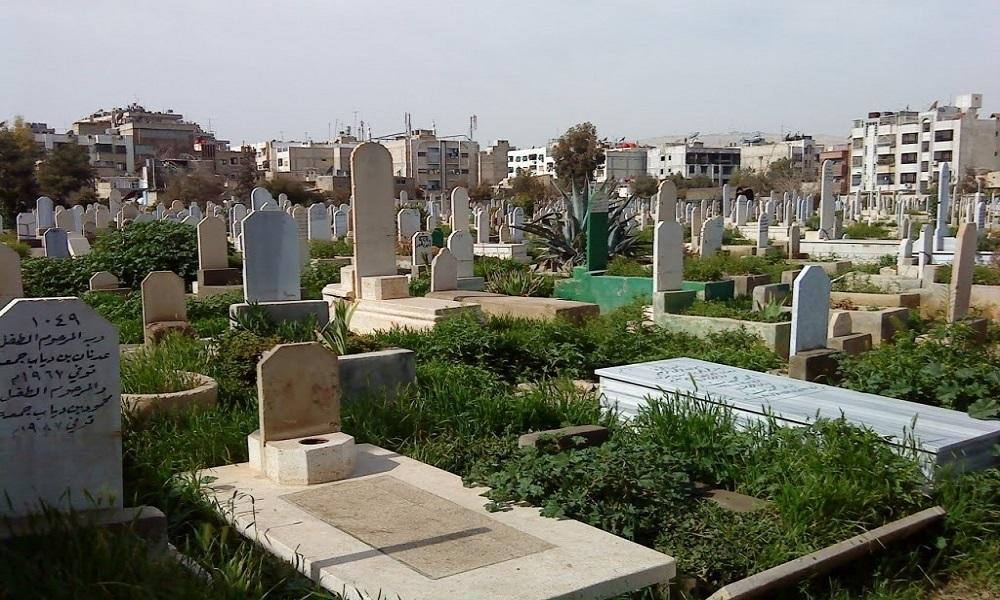

Table of Contents
Charity on behalf of the deceased is considered one of the recommended deeds in Islam, as its reward reaches the deceased, easing their suffering in the Hereafter and raising their ranks in Paradise. Giving charity for the deceased is among the best ways to earn ongoing reward through various forms of continuous charity.
For this reason, we have dedicated today’s article to explore the conditions of charity, the virtue of giving charity on behalf of the deceased, and how you can donate to refugees through Al-Wefaa Association, which ensures that donations reach those who truly deserve them.
Definition of Charity and Its Importance in Islam
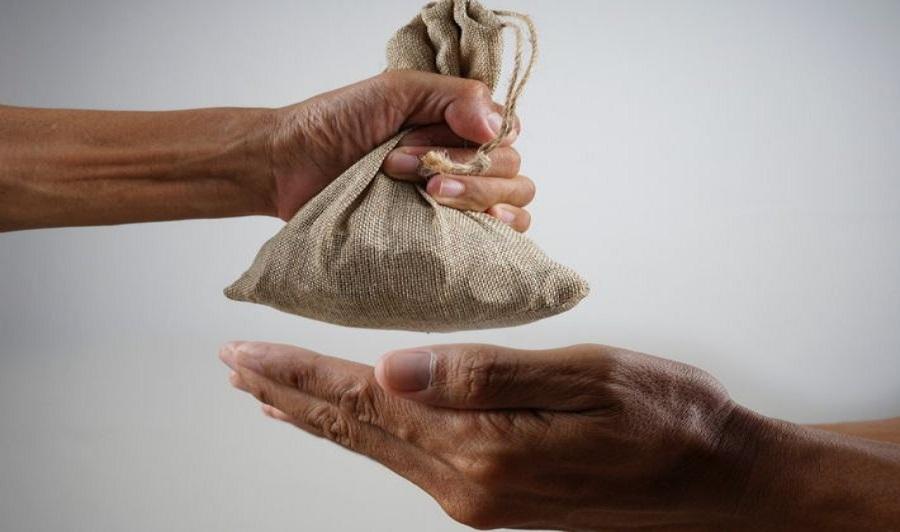
Charity is anything given voluntarily to those in need with the intention of drawing closer to Almighty Allah and seeking His pleasure. Charity is given according to one’s ability, whether in the form of money, food, or clothing, and it brings great reward and recompense to the giver.
Linguistically, the word “charity” is derived from the root “صدق” (truthfulness and sincerity), meaning a voluntary gift given sincerely to the poor or needy.
The Importance of Charity in Islam
Charity holds great importance and immense virtue, as explained below:
- Charity purifies the soul and wealth from greed and stinginess.
- Charity repels calamities and protects the giver from harm.
- Charity increases blessings in sustenance and wealth.
- Charity is proof of faith and a sincere relationship between the servant and their Lord.
- Charity multiplies reward and recompense.
- Charity erases sins and misdeeds.
- Charity reduces poverty and strengthens social solidarity.

Conditions of Charity
There are several conditions that must be met for charity to be accepted, including the following:
Basic Conditions for the Donor
The donor must fulfill the following conditions:
- Sincere intention solely for the sake of Allah, free from showing off or seeking reputation.
- The donor must be sane and mature.
- The donor should use kind and respectful words when giving charity.
- The donor should give willingly and happily, not under compulsion.
- The donor must be financially capable and have more than their basic needs.
- The donor should avoid miserliness and extravagance, as Allah says: “And do not make your hand chained to your neck nor extend it completely, lest you sit blamed and destitute” (Al-Isra: 29).
Basic Conditions of the Donated Wealth
The wealth given in charity must meet certain conditions, without which charity is not valid:
- Lawful wealth: The donated wealth must be lawful, as charity from unlawful sources is not accepted.
- Quality: Charity should be from the best of what one owns, as Allah says: “You will never attain righteousness until you spend from that which you love.”
- The wealth must be free from debts; debts should be settled before giving charity.
- Complete ownership of the wealth, with no shared rights from others.
The Virtue of Charity on Behalf of the Deceased
Charity given on behalf of the deceased carries great virtue and impact, including:
- Erasing the sins and misdeeds of the deceased.
- Great reward and multiplied recompense for the donor.
- Continuous reward that reaches the deceased if the charity is ongoing.
- Raising the ranks of the deceased in Paradise.
- Maintaining family ties by giving charity on behalf of deceased relatives.
- Reducing the punishment of the deceased in the Hereafter.
Scholarly Opinions on Charity for the Deceased
- The majority of scholars agree on the permissibility and recommendation of giving charity on behalf of the deceased, supported by the hadith of Sa‘d ibn ‘Ubadah, who asked the Prophet ﷺ: “My mother has died; should I give charity on her behalf?” He replied: “Yes.”
- Some scholars, such as Shaykh Ibn Baz, affirmed that charity benefits the deceased, especially ongoing charity.
- Shaykh Ibn ‘Uthaymeen also confirmed the permissibility of charity for the deceased, noting that supplication is even more beneficial.

Types of Charity on Behalf of the Deceased
There are several types of charity that can be given on behalf of the deceased:
- Ongoing charity, which is among the best and most rewarding forms, such as:
- Building mosques, hospitals, or schools.
- Planting trees.
- Sponsoring an orphan.
- Sponsoring a student of knowledge.
- Providing water.
- In-kind charity such as clothing, essential supplies, or medical needs.
- Feeding the poor and needy.
- Monetary donations through trusted charities such as Al-Wefaa Humanitarian Association or orphanages.
Donate Your Charity to Refugees and Those in Need
You can now donate your charity to refugees and those in need by relying on trusted humanitarian organizations such as Al-Wefaa Association, which enables donations to reach their rightful recipients through the following link: elvefa. Al-Wefaa ensures transparency, honesty, and extensive experience in delivering aid.
The association is supported by a professional team and launches charitable campaigns that help deliver donations to the largest possible number of beneficiaries.
Frequently Asked Questions
What happens to the deceased when charity is given on their behalf?
Charity given on behalf of the deceased erases their sins, increases their good deeds, raises their ranks in Paradise, and grants great reward to the donor, especially if the charity is ongoing.
What type of charity reaches the deceased?
Ongoing charity reaches the deceased, such as digging wells, building mosques, distributing Qur’ans, and feeding the poor.
Does the deceased know who gave charity on their behalf?
The deceased may know if the one giving charity is a righteous child, as mentioned in the hadith where Allah raises the rank of a righteous servant due to their child’s supplication.
Is the deceased informed of the name of the one who supplicates for them?
There is no clear evidence that the name is specifically conveyed, but the reward does reach the deceased, and supplication is the most beneficial.
What is the best charity for the deceased?
The best charity for the deceased is ongoing charity, whose reward continues even after death, such as digging wells, providing water, distributing Qur’ans, and building mosques.
Does charity benefit the deceased if given by someone who is not a relative?
Yes, charity benefits the deceased even if given by a non-relative, whether a friend or someone else. Ibn Qudamah stated that any act of righteousness whose reward is dedicated to a deceased Muslim will benefit them, by Allah’s will.