

Charity in the Sunnah and Prophetic traditions


Charity is considered one of the most beautiful deeds that Allah has encouraged in many verses of the Qur’an due to its great impact in multiplying rewards in both this world and the Hereafter. Charity is the key to a blessed life adorned with lawful provision. How wonderful it is for a person to give even the value of a single date in charity, only for it to return multiplied many times over with abundant reward, becoming a shade for the giver on the Day of Resurrection and a protection from the punishment of the Fire.
For this reason, we present our article today to explore together the definition of charity, its types, its virtues, and how Al-Wafaa Association has become your ideal path for donating your charity so it reaches those who truly deserve it.
Definition of Charity Linguistically and Terminologically
Charity linguistically: It is derived from the root “صدق” (truthfulness), indicating sincerity in action. The one who gives charity is truthful in faith and expresses it through charitable deeds.
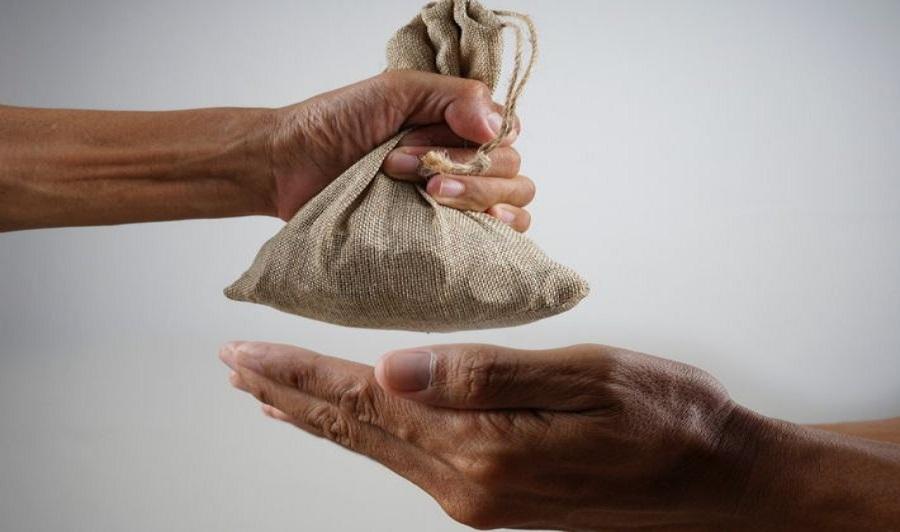
Charity terminologically: It refers to any gift or offering given to the needy or poor without expecting anything in return, stemming from the heart with sincerity, aiming to draw closer to Allah Almighty and attain His pleasure, whether the charity is material or moral.
Table of Contents
The Importance and Status of Charity in Islam
Charity holds great importance and a high status in Islam, represented in the following:
- Charity expiates sins and erases misdeeds.
- Charity repels evil and lifts afflictions.
- Charity multiplies reward and elevates the giver’s status with Allah.
- Charity increases and blesses the giver’s provision.
- Charity purifies wealth and cleanses the soul from stinginess and greed.
- Charity is among the most beautiful reasons for entering Paradise and drawing closer to Allah.
- Charity is a means of alleviating poverty and the suffering of the poor.
- Charity grants indescribable feelings of joy, happiness, and inner peace.

The Difference Between Zakat and Charity
The difference between zakat and charity can be clarified through the following table:
| Aspect | Zakat | Charity |
| Obligation | Obligatory and a pillar of Islam | Not obligatory, but a highly recommended deed |
| Amount | Fixed at 2.5% of cash wealth | Not fixed; may be food, money, or good deeds |
| Conditions | Requires reaching the nisab and the passage of one lunar year | No nisab or time conditions |
| Recipients | Specific categories such as the poor, needy, debtors, travelers, and others | No fixed categories; given to anyone in need |
| Timing | Once per year | Given at any time |
Types of Charity
Charity in Islam is divided into two types:
Financial Charity
Voluntary Charity
- Includes donating money to the poor and needy.
- Feeding the hungry, which is among the most virtuous forms of charity with great reward.
- Providing clothing and shelter for those in need.
Endowment (Waqf)
This is a form of ongoing charity with continuous reward. It refers to dedicating property, money, or land for charitable purposes whose benefits continue even after the donor’s death, such as:
- Building schools, mosques, health centers, and hospitals.
- Planting fruitful trees.
- Digging wells and providing water.
- Sponsoring students of knowledge or distributing Qur’ans.
- Establishing investment projects whose profits support the needy.
Expiations
These are specific obligatory forms of charity prescribed to atone for certain sins, including:
- Fidyah for fasting, by feeding the poor.
- Expiation for breaking an oath, through feeding, clothing, or freeing a slave.
- Expiation for Zihar, through freeing a slave, fasting specific days, or feeding the poor.
Moral (Non-Material) Charity
This includes every righteous deed that earns reward without involving money, such as:
Kind Words
One of the most beautiful forms of charity, represented by good speech, sincere advice, guiding others to goodness, and spreading love and harmony among hearts.
A Smile to Your Brother
A moral charity with great reward, bringing joy and comfort to others without any material cost. It follows the example of the Prophet ﷺ, who said: “Your smile in the face of your brother is charity.”
Enjoining Good and Forbidding Evil
A moral charity that involves guiding people toward righteousness and away from wrongdoing to build loving and virtuous societies.
Removing Harm from the Road
This includes removing anything that may harm people, whether physical or verbal. The Prophet ﷺ said: “Removing harm from the road is charity.”
Visiting the Sick
A moral charity that brings comfort and joy to the sick, alleviates their pain, and includes supplication for their recovery.
Helping Those in Need
Assisting others with tasks, carrying burdens, or fulfilling needs is a great form of moral charity that earns immense reward.

The Virtue of Charity in the Prophetic Sunnah
Charity has immense virtues mentioned in many authentic hadiths, including:
- Charity increases blessings and reward: “Spend, and it will be spent on you.”
- Charity extinguishes sins as water extinguishes fire.
- Charity is a cure for illness: “Treat your sick by giving charity.”
- Charity protects from the Fire: “Protect yourselves from the Fire, even with half a date.”
- Charity will be a shade for its giver on the Day of Judgment.
Prophetic Hadiths Encouraging Charity
- “Whoever gives charity equal to a date from lawful earnings, Allah accepts it and nurtures it until it becomes like a mountain.”
- “Every person will be under the shade of his charity until judgment is passed among people.”
- “Every joint of a person must give charity each day the sun rises…” (Muslim).
- “A man who gives charity secretly so that his left hand does not know what his right hand gives.”
- “The most beloved people to Allah are those most beneficial to others.”
Benefits of Charity
- Charity repels calamities.
- Charity multiplies reward.
- Charity increases blessings in wealth.
- Charity strengthens social solidarity and love.
- Charity purifies wealth and the soul.
- Charity appeases Allah’s anger.
- Charity protects from Hellfire.
Frequently Asked Questions
Is charity obligatory for every Muslim?
No, charity is voluntary and not obligatory.
What are the best times to give charity?
Ramadan, blessed times, Fridays, religious occasions, and times of crisis.
Who is eligible to receive charity?
The poor, needy, orphans, widows, and relatives in need.
How do I choose the right organization to donate to?
By ensuring credibility, transparency, financial reporting, reputation, and experience.
Is it permissible to give charity online?
Yes, it is permissible if done sincerely through trusted charities or bank transfers.
Is it allowed to give charity to non-Muslims?
Yes, it is allowed as an act of kindness and mercy, especially during disasters or wars.