

Vows and their rulings

In many situations, a Muslim turns to making a vow (nadhar) as a means of drawing closer to Allah, seeking His help through a commitment made upon oneself. However, circumstances may sometimes prevent us from fulfilling a vow. In such cases, an expiation (kaffarah) becomes necessary to compensate for the unfulfilled vow.
Moreover, vows come in several types, and not all of them are religiously recommended. Therefore, in this article we will explore the definition of a vow and its types, then discuss the expiation for vows and how to donate it through Al Wefaa Humanitarian Association.
Table of Contents
What Is a Vow (Nadhar)?
A vow is a commitment a Muslim makes upon themselves to perform an act of obedience with the intention of drawing closer to Allah and seeking His response. It is not originally obligatory, but once made, it becomes binding. Usually, a vow is made when wishing for something to happen and is accompanied by phrases that indicate commitment, such as “For Allah upon me…” or “I vow to Allah…”.
The Difference Between a Vow and an Oath
You can understand the difference between a vow and an oath through the following table:
| Point of Comparison | Vow | Oath |
| Meaning | A pledge and commitment to obey Allah with the intention of seeking His response and drawing closer to Him | Swearing by Allah or one of His names to affirm something, such as saying “By Allah, I will do…” |
| Purpose | Drawing closer to Allah through committing to an act of obedience or expressing gratitude | Affirmation, confirmation, or denial of a matter |
| Obligation | Requires fulfillment and cannot be abandoned if one is able to perform it | One may choose between fulfilling it or paying the expiation |
| When It Becomes Binding | In acts of obedience | In permissible and recommended matters, and it may be in sinful acts which are prohibited |
| Expiation | Expiation does not replace a vow of obedience and it must be fulfilled; in disliked matters, it should not be carried out and no expiation applies | Expiation is done by feeding, clothing, freeing a slave, or fasting |
Forms of a Vow
A vow has two main forms:
- Explicit vow: Such as saying: “I vow that…”, “For Allah upon me that I do such and such”, or “I vow to Allah that I will do such and such if such and such happens.”
- Implicit vow: When intending something and saying: “If such happens, then upon me is such and such,” or “If that happens, I will do such and such.”
It is worth noting that these forms require several important conditions such as intention, commitment, and verbal expression.
Ruling on Vows
The ruling on a vow depends on its type. Below are the rulings for each type:
- The ruling on a vow of obedience is that it is obligatory and must be fulfilled, such as a vow to perform Hajj, fast, or give charity. Allah تعالى says: “They fulfill their vows and fear a Day whose evil will be widespread.”
- The ruling on a vow of disobedience is prohibition; it must not be fulfilled. The Prophet ﷺ said: “Whoever vows to obey Allah, let him obey Him; and whoever vows to disobey Him, let him not disobey Him.” This type requires expiation by feeding ten needy people, clothing them, freeing a slave, or fasting three days.
- The ruling on a vow made in exchange or as a conditional bargain is that it should be fulfilled, although it is disliked. In such cases, paying the expiation of an oath is preferable.
Types of Vows
Below are the main types of vows:
- Vow of obedience and devotion
- It means obligating oneself to obey Allah.
- Example: “If Allah eases my matter or cures my illness, then upon me is to give charity or to fast for a month.”
- Its ruling: It must be fulfilled.
- Vow of anger and obstinacy
- It is a commitment made out of anger or to prevent something.
- Example: “It is upon me that if I do such and such, I will do such and such.”
- Its ruling: It must be fulfilled, and its expiation is feeding ten needy people, clothing them, or freeing a slave.
- Vow of disobedience
- It is a vow involving a sinful or prohibited act, such as harming a Muslim or drinking alcohol.
- Example: “If I drink alcohol, then I will fast a month.”
- Its ruling: It must not be fulfilled, and it requires the expiation of an oath.
- Conditional or suspended vow
- A vow tied to the occurrence of something; it is disliked.
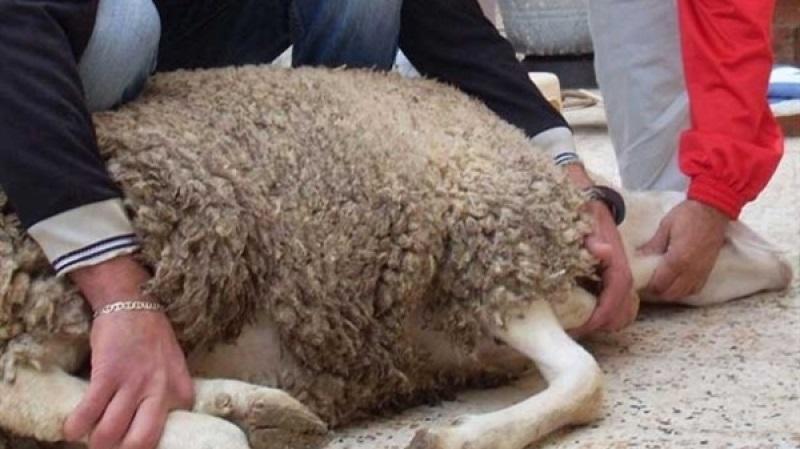
- Example: “If my son succeeds, I will sacrifice a sheep.”
- Its ruling: It must be fulfilled if it involves obedience.
- Absolute or immediate vow
- A vow made without any condition.
- Example: “It is upon me to fast.”
- Its ruling: It must be fulfilled.
- Ambiguous vow
- A vow that is unclear and unspecified.
- Example: “For Allah upon me is a vow,” without specifying anything.
- Its ruling: Expiation of an oath.
- Permissible vow
- A vow concerning permissible matters, such as wearing a garment or riding an animal.
- Its ruling: One may fulfill it or pay the expiation of an oath.

Conditions of a Vow
There are several conditions that must be met when making a vow:
Conditions of the One Making the Vow
- Being Muslim
- Being of sound mind and having reached puberty
- Ability to express the vow verbally
- Not being forced, but making it willingly
- Being able to fulfill the vow
Conditions of What Is Vowed
- It must be an act of obedience, such as charity, fasting, or Hajj
- It must not be something already obligatory
- It must be something that is permissible and possible in Islamic law
Conditions of the Vow’s Wording
- The wording must indicate commitment, such as “For Allah upon me…”
- The vow must be explicitly stated verbally, not merely intended in the heart
Expiation of a Vow
The expiation of a vow is as follows:
- Feeding ten needy people with a full meal, equivalent to 1.5 kg of rice or dates for each person
- Clothing ten needy